

Inter-cultural diversity is part and parcel of boarding school life. In this article, we discover the different learning habits of students from different countries and how they take study breaks.
At boarding school, every day is busy with academic study, extra-curricular activities, sports and homework. It is just as important to take some time-out as it is to schedule things to do. With an international community that brings people from many cultures and backgrounds together, let’s find out how students from around the world take study breaks.
Spain 🇪🇸
The Reset Walk. Take a 10-15 minute walk between homework tasks. Leave your phone behind and let your thoughts settle naturally.
Our first stop is Spain, where a short walk is part of the rhythm of the day. Movement clears mental clutter and creates space between one study session and the next. In busy academic environments, students often believe the best approach is simply to work harder and longer. But constant effort without pause can make concentration harder and learning less effective.
Finland 🇫🇮
Fresh Air, Clear Mind. When focus drops, step outside or open a window. Look at the sky, the trees, the light. Even a brief change in environment helps your brain refocus..
Next, we go to Finland, where fresh air is treated as essential. Students grow up going outside regularly, even when it is cold and grey. When your mind starts drifting, head out for a few minutes to the great outdoors.
Japan 🇯🇵
The Calm Cup. Make yourself a warm drink. Sit down. Sip slowly. For a few minutes, don’t revise, scroll or multitask. Let the pause be complete.
Heading to the East, we visit Japan, where short breaks can be a ritual. A cup of tea, taken slowly and without distraction, becomes a moment of presence rather than productivity. A brief time-out gives the brain time to rest, helping students return to their work with clearer thinking and better focus. Research shows that rest supports memory, insight, and long-term mastery.
France 🇫🇷
Work-rest Boundaries. Pan your day in blocks. Decide when you will study and when you will stop. Respect both equally.
Our next stop is France, where culture emphasizes boundaries between work and rest. This clarity can make study time more effective. When you know rest is coming, it becomes easier to focus fully during study time. Being disciplined and committed to a schedule can make a big difference in staying focused and mentally refreshed.
Denmark 🇩🇰
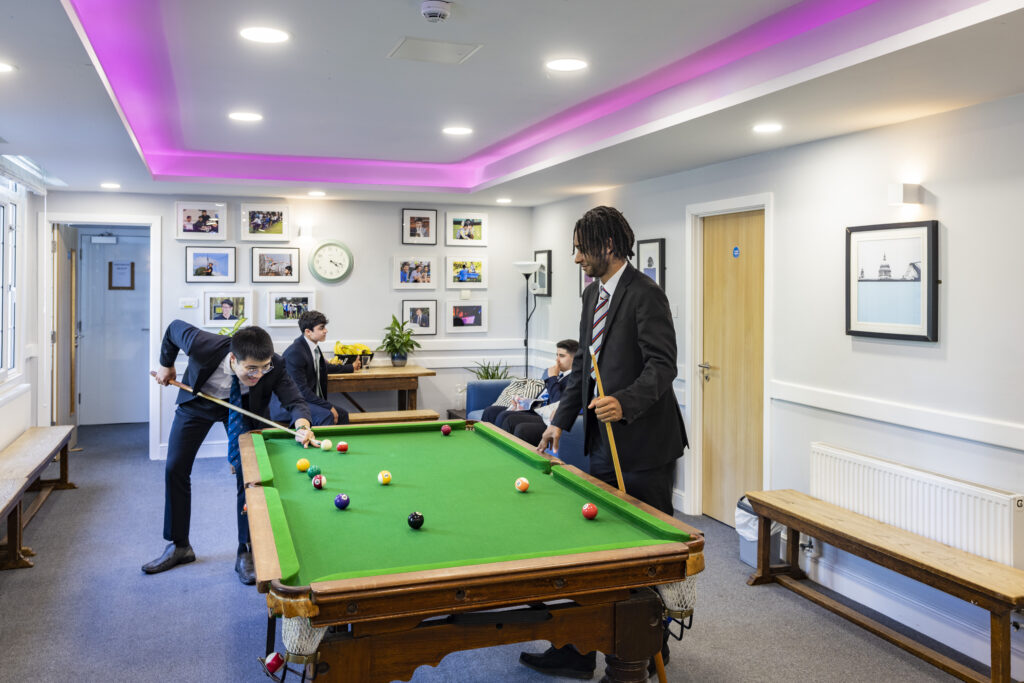
Hygge Study Vibes. Create a comfortable study corner. Use soft lighting and cozy furniture. When your space feels safe, focus comes more naturally.
Today, we are snuggling down in Denmark and their concept of “hygge,” which is all about comfort, warmth and ease. Don’t think of this as laziness or indulgence. Creating a calm, comfortable environment reduces stress and makes effort more sustainable over time. Embracing hygge can help the mind slow down and increase productivity.
India 🇮🇳
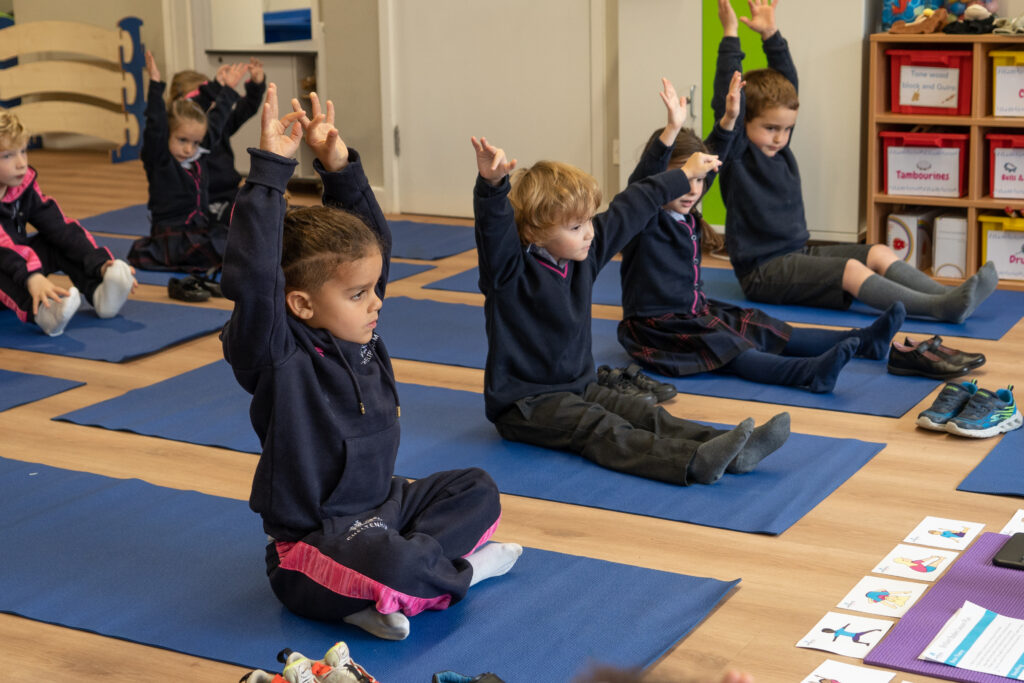
Breathing and Balance. Before a new study session, pause and breath: Inhale 4 – exhale 4 – rest 4. Repeat a few cycles and notice a shift in your focus.
Our final stop takes us to the birthplace of yoga and meditation. In India, breathing practices are part of everyday life. A few intentional breaths can reset the mind without needing equipment, space, or extra time. Breathwork is scientifically proven to reduce mental fatigue and support cognitive endurance during long study sessions.
Across all of these approaches, one idea remains constant: rest plays an essential role in effective learning. We hope you enjoyed taking this journey around the world with us that carries forward this simple message:
Rest is not the opposite of learning. It is part of it!